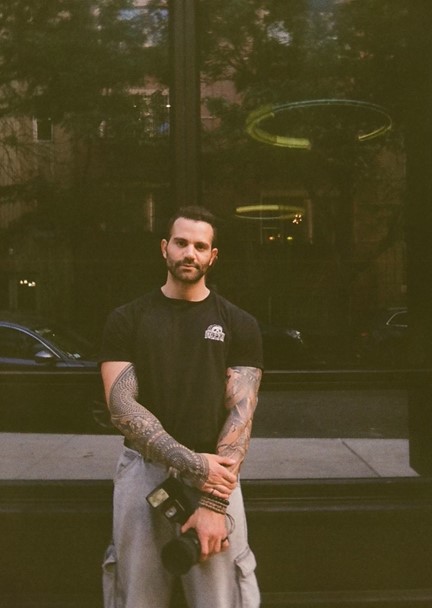
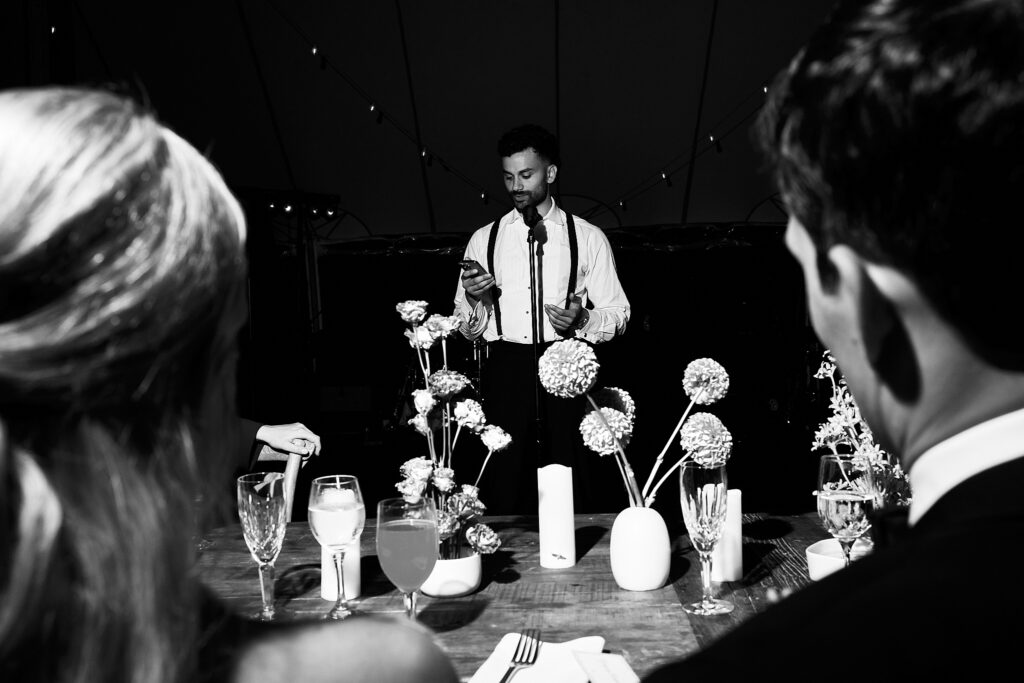
Couples often come to me seeking wedding-day coverage that feels real, calm, and complete.
At Momento Lehr Photography, my focus is on candid, documentary-style coverage for people who want genuine moments without making the day feel like a photo session.
Candid Moments Without Staging
Natural wedding photos let the day belong to you. My goal is to capture people, movement, and timing as they actually happen.
Candid moments emerge when people feel present. A documentary approach gives family and friends space to interact without feeling watched, and that freedom is exactly what allows the photos to reflect real behavior rather than repeated poses.
Real Emotion, Clean Framing
Strong wedding coverage requires both timing and structure. I watch reactions, light, and movement so each frame has a clear subject. This supports genuine moments while keeping the images clean and readable.
Gentle Direction When Needed
Documentary coverage doesn’t mean zero direction. Some moments need light guidance, portraits, group photos, or moving through a busy space. The key is to guide only when it helps the day run more smoothly.
Why Choose Momento Lehr Photography
There is a certain kind of attention that only comes from working in unpredictable spaces. My background spans concerts, live events, and fast-moving environments where a moment exists once, and then it’s gone. That instinct honed long before the wedding day arrives shapes everything about how I approach a celebration.
My Live Event Experience
Concerts and sporting events don’t wait. Light shifts without warning. Crowds move. Energy builds and releases in ways that no schedule can fully predict. Working within those conditions for years built something harder to teach than technique: a natural sense of timing, an awareness of when to move closer and when to disappear entirely.
That same instinct is what documentary style wedding photography asks for.
Timing Built for Movement
The most honest images from a wedding rarely happen during the planned moments. They happen in between, a glance across a crowded room, a quiet exhale before the ceremony begins, two people forgetting the camera is there.
Capturing the moment with documentary style wedding photography means reading what’s coming before it arrives. It means understanding light, spacing, and movement well enough to stay out of the way while still being exactly where it matters.
Many couples drawn to this approach feel it most clearly in what they don’t want: a photographer who redirects the day, who interrupts the natural rhythm to manufacture something that looks emotional rather than is emotional. I work within the event as it unfolds. The coverage follows the day’s energy rather than competing with it.
That distinction is at the heart of documentary wedding photography, and it’s why this approach continues to resonate with couples who want something real.
Documentary Wedding Examples
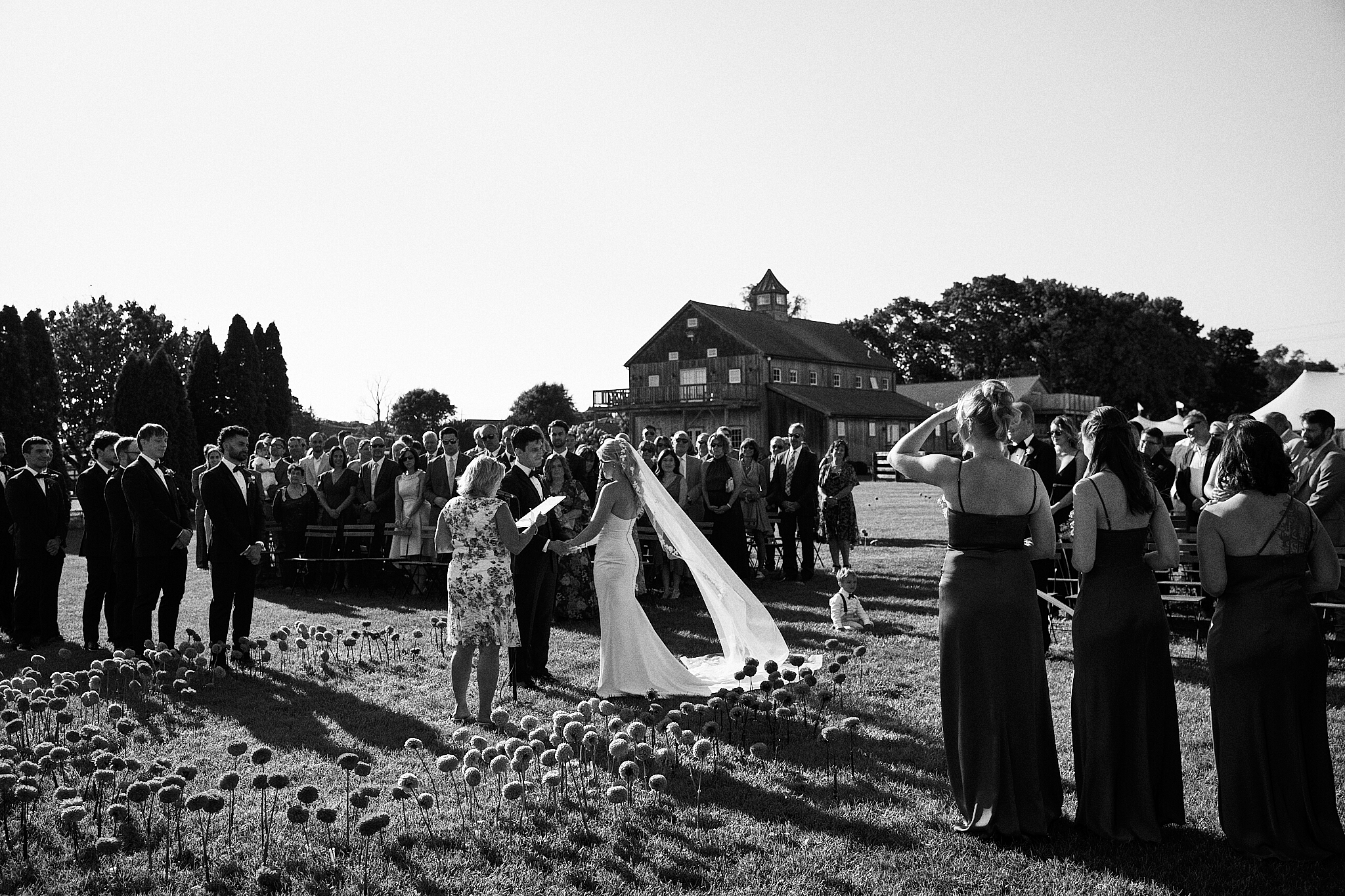
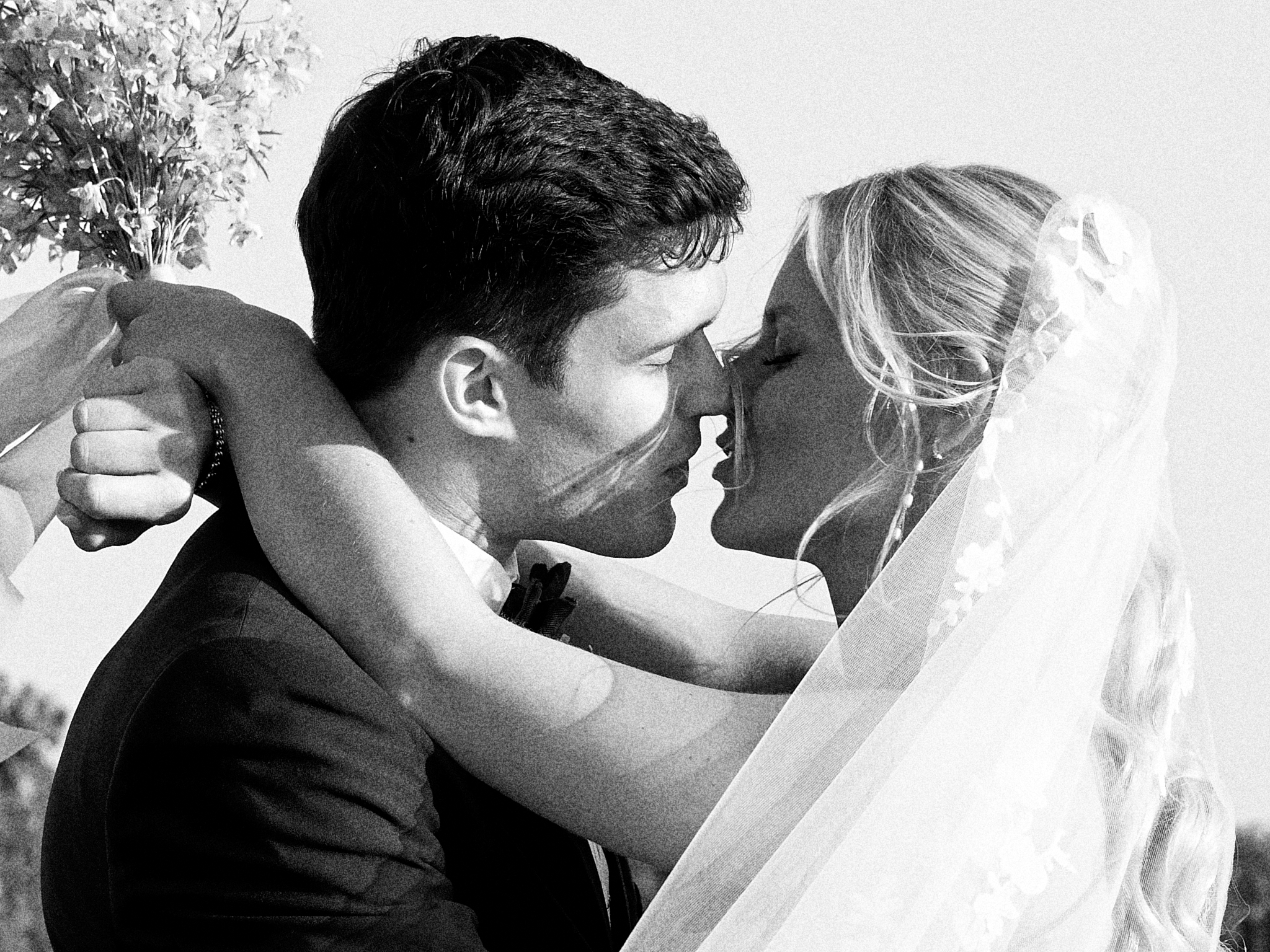
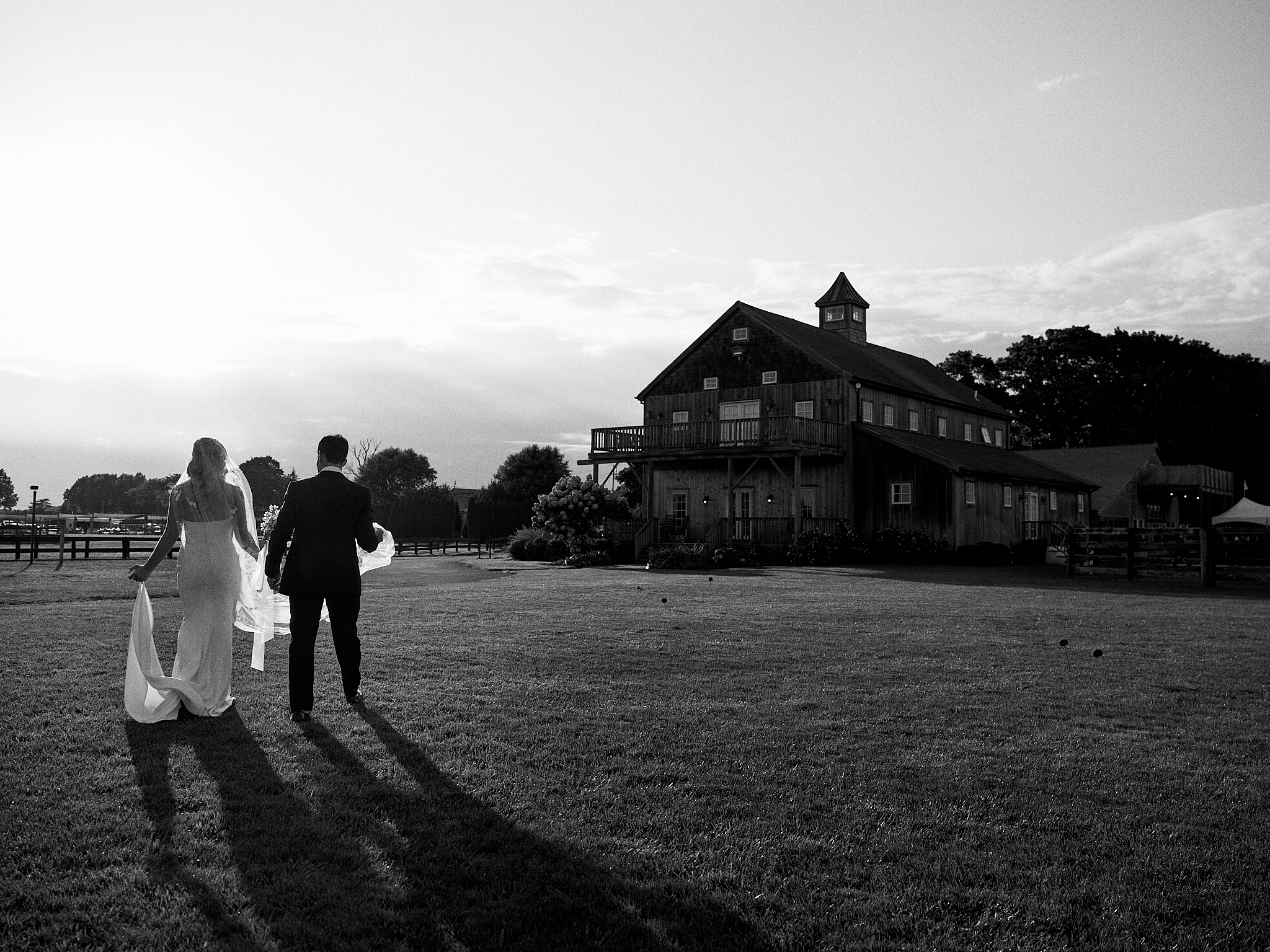
Documentary style wedding photography becomes easier to judge when you see complete examples. A few single images can show style, but fuller coverage shows consistency.
Ceremony and Reception Moments
Ceremonies often include quiet reactions, quick glances, and small gestures. Receptions include motion, changing light, and crowded spaces. My coverage connects both parts of the day without making them feel separate.
Guests, Details, and Reactions
Wedding photos should include more than the couple. Family and friends often shape the day’s story through reactions, movement, and small exchanges. These images help create a narrative that feels complete.
Full-Day Story Coverage
Capturing the moment with documentary style wedding photography means paying attention to the entire event – not just the planned highlights. The day includes preparation, movement between spaces, speeches, dancing, and quiet breaks. Each part adds context to the final set of images.
Documentary Style Wedding Photography vs Editorial
This is a question I hear often. Documentary coverage focuses on real events as they happen. Editorial coverage uses more styling, posing, and direction to shape the image.
Natural Coverage vs Styled Direction
Natural coverage works best when you want the event to unfold with minimal interruption. Styled direction works best when you want a more planned visual result. Many weddings use both, but one approach usually leads.
When Editorial Framing Helps
Editorial framing can be useful during portraits, details, and quiet moments with strong light. It can give images a clean and polished feel without turning the whole day into a staged session. The balance matters – too much direction can change the event’s mood entirely.
Coverage That Fits Your Wedding
Every wedding has different conditions. The venue, light, guest count, timeline, and room layout all affect how photography works. A documentary approach has to adapt to those conditions without losing focus.
Local Coverage and Travel
Wedding coverage should fit the event location and timeline. Travel, venue access, and timing all affect how the day moves. I work with a clear plan, so I’m ready without interrupting the event.
Venue Familiarity
Venue familiarity helps, but it isn’t the only factor. Strong documentary photographers can quickly read new spaces. My experience with live events helps when light, crowds, or movement shift throughout the day.
Date and Event Details
The type of event shapes the coverage plan. A small ceremony needs a different approach than a large reception. The right fit depends on location, schedule, guest flow, and the moments you care about most.
Photo and Video Coverage
Documentary style wedding photography and videography should feel connected. The photo and video approach should match in tone, pace, and level of direction. When one side feels staged, and the other feels candid, the final record feels uneven.
Matching Candid Visual Styles
A candid photo and video approach keeps attention on real movement and reactions. Both teams should know when to step in and when to stay back – that shared instinct is what keeps the wedding feeling uninterrupted.
Review Fit Before Choosing
The right photographer should match the way you want the day to feel. Some couples want heavy direction, styled portraits, and controlled scenes. Others want documentary coverage that follows the event with care and patience.
Before choosing, define the details that matter most – venue type, guest count, cultural moments, family photos, and the level of direction you want. This helps you compare photographers with a clearer standard.
Discuss Coverage Needs as a Couple
It’s worth aligning on the balance between candid coverage and directed images before booking anyone. One person may want more portraits, while the other may want fewer interruptions. Clear priorities make the decision easier.
Review the Next Step
A good fit should feel clear before any formal commitment. You should understand the style, approach, and type of coverage I provide. That clarity makes it easier to compare options without relying only on image style.
Documentary Wedding Photographer FAQs
Why Should I Choose a Documentary Wedding Photographer?
Choose a documentary wedding photographer if you want the day to feel natural. This approach works well when you value real moments over repeated posing. It also helps guests stay engaged rather than staring at the camera.
Will We Still Get Portraits?
Yes – portraits can still be part of documentary coverage. The difference is that I approach them simply, naturally, and efficiently. This keeps the day moving while still capturing the people who matter most.
How is a Documentary Different From an Editorial?
Documentary photography follows real events. Editorial photography shapes scenes more directly through styling, posing, and visual control. Creative Documentary coverage can use strong framing while still keeping the event honest.
Can This Style Work in Dark Venues?
Yes, but it requires experience with changing light. Dark rooms, stage lighting, and reception spaces can be challenging. My background in live events means I can adjust without disrupting the moment.
Do You Offer Photo and Video Coverage?
Photo and video coverage works best when both use a candid approach. The goal is a consistent visual tone across formats – so the final coverage feels connected rather than stitched together