What Is the Best Wedding Photography Style?
There is no single wedding photography style that works best for every couple. The right choice depends on your personalities, the venue, the event’s pace, and how you want the day documented.
The question is better answered by comparing how different styles capture real moments, portraits, details, and atmosphere, rather than by searching for a single universal answer. At Momento Lehr Photography, I approach this through event documentation, visual timing, and real-world coverage.
Key Takeaways
- The best wedding photography style depends on the couple, venue, timeline, lighting, and how the day unfolds.
- Documentary, editorial, lifestyle, fine art, traditional, candid, and cinematic styles each create a distinct wedding gallery.
- Couples should review complete galleries rather than individual portfolio images to assess consistency across the ceremony, portraits, reception, and low-light scenes.
- A strong wedding gallery usually blends wide scenes, medium shots, close details, portraits, and real moments.
- My work at Momento Lehr Photography uses a documentary and photojournalistic approach, shaped by live-event experience, timing, and visual observation.
The Best Style Depends on the Event
No single style works for every wedding. A quiet elopement, a large reception, and a fast-moving dance floor each need a different visual approach. Some events need more direction, while others benefit from a photographer who can observe and react.
The setting also matters. Outdoor light, indoor shadows, crowded rooms, and tight timelines all shape how images are made. Good wedding photo ideas should match the real conditions of the day.
Main Styles for Wedding Photography
Wedding photography includes several clear approaches. These styles can stand alone or blend during the same event. Most couples choose based on how much posing, direction, and visual polish they prefer.
- Documentary Wedding Photography
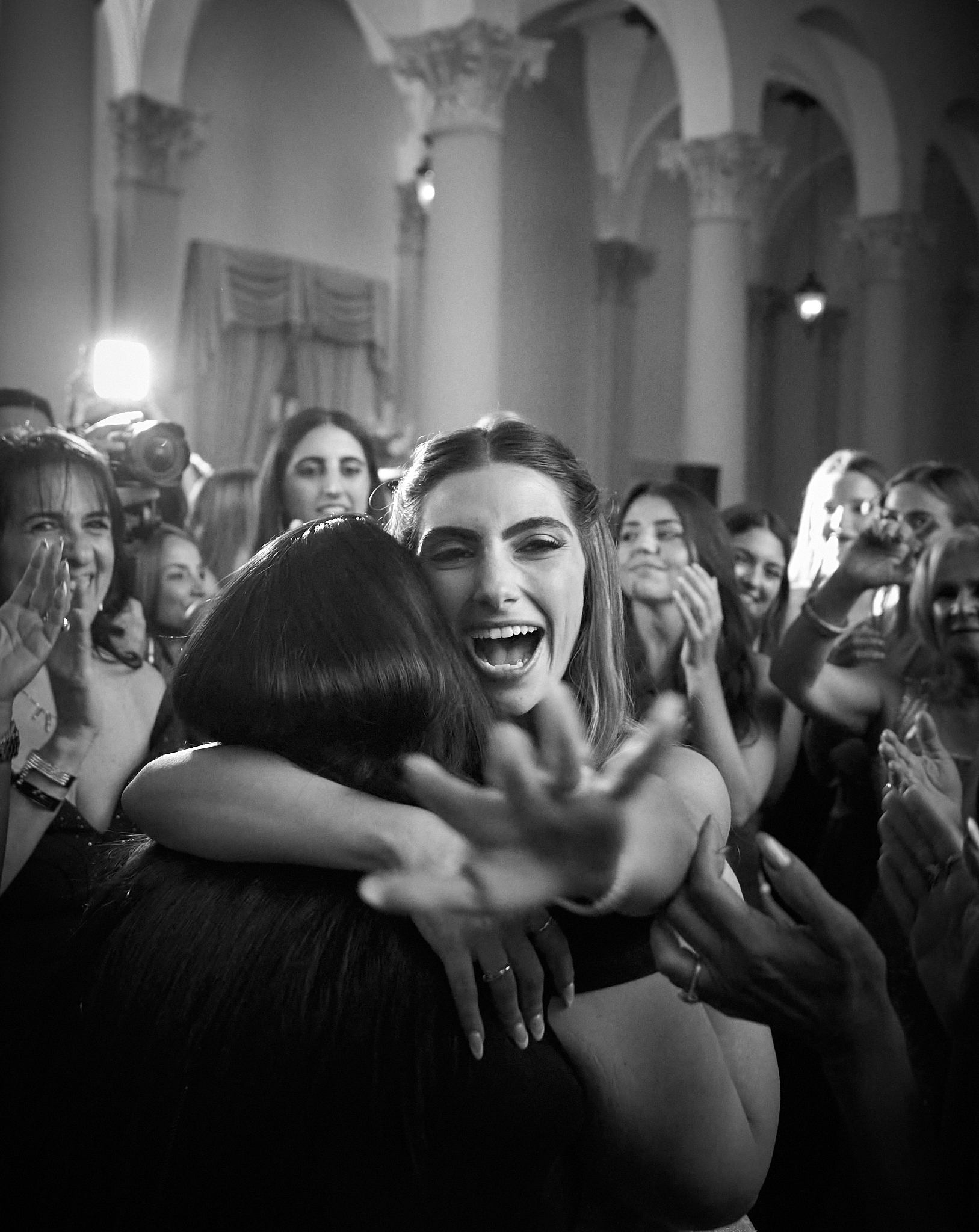
Documentary photography focuses on real events as they happen. The photographer watches people, movement, and timing without forcing each scene. This style often works well for couples who want honest images of the ceremony, reception, and the small in-between moments that shape the day.
- Editorial Style Wedding Photography
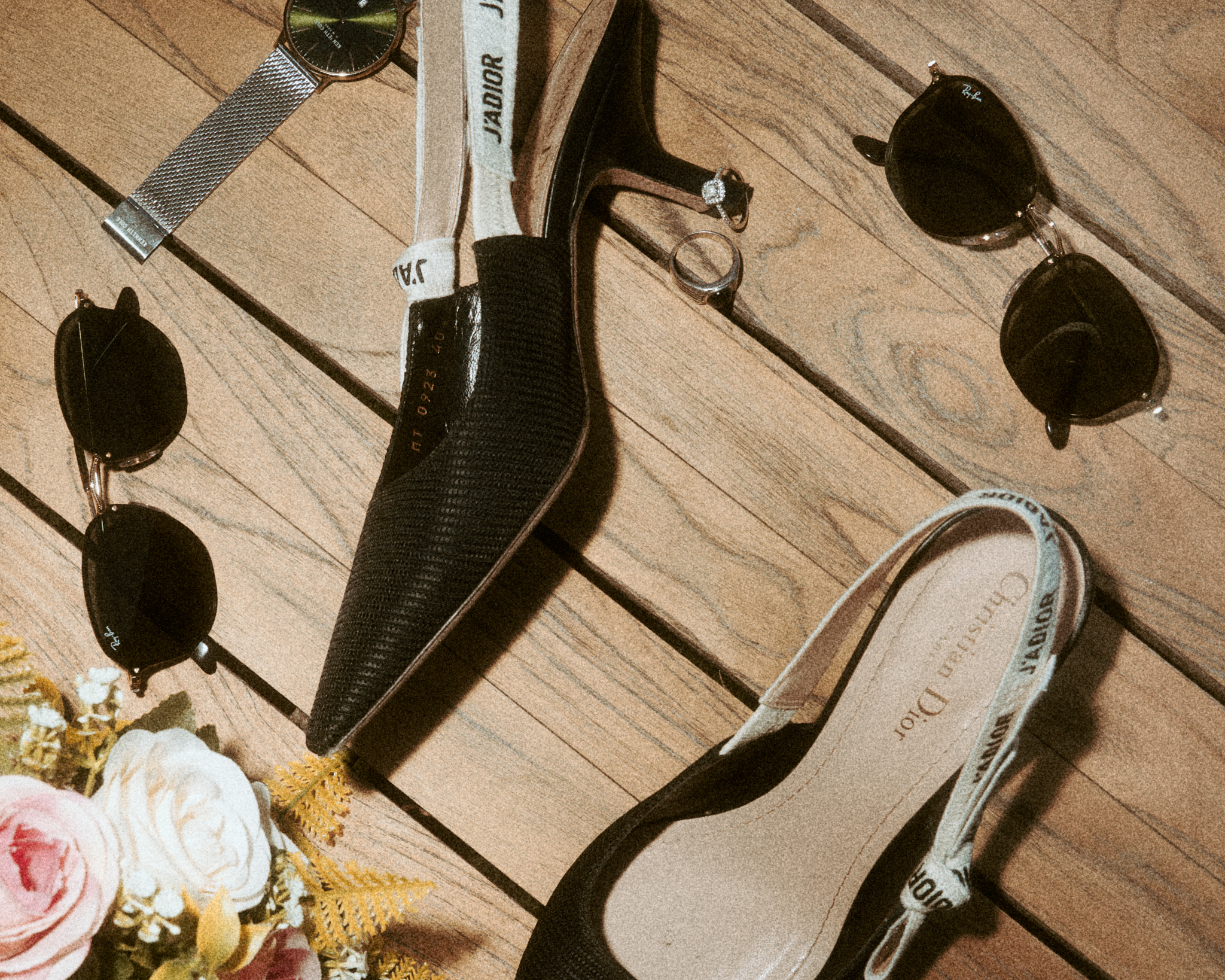
Editorial style wedding photography uses stronger direction, cleaner composition, and a more stylized visual structure. It can include fashion-inspired posing, controlled portraits, and careful framing. This style often works well for couples who want images with a polished, magazine-like feel.
- Lifestyle Wedding Photography Style
A lifestyle wedding photography style sits between posed and candid work. The photographer may guide people into natural settings, then let the moment unfold. The result often feels relaxed but is still shaped by light, location, and simple direction.
- Fine Art Wedding Photography Style
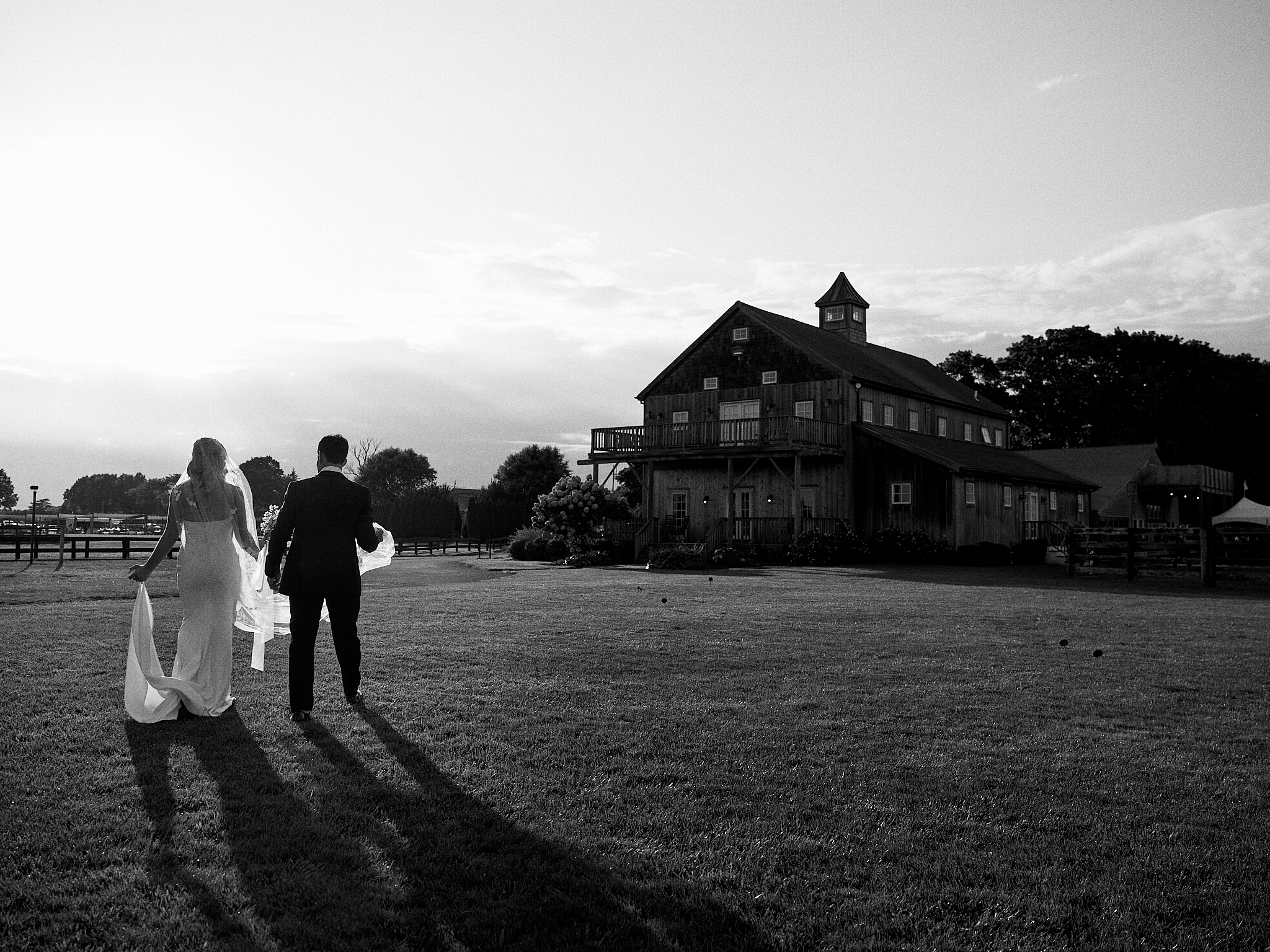
Fine art wedding photography style often uses soft light, balanced composition, and a slower visual pace. It may focus on details, portraits, textures, and quiet moments. This approach works well when the couple wants a softer and more composed look. Some clients also request black-and-white photography to achieve this feel.
- Dark and Moody Wedding Photography Style
Dark and moody wedding photography style uses shadows, contrast, and deeper tones. It fits evening receptions, candlelit spaces, and dramatic indoor settings. This style depends heavily on lighting, editing, and the location’s mood.
- Traditional Wedding Photography
Traditional wedding photography focuses on classic images. These often include family portraits, ceremony moments, group photos, and formal bride and groom portraits. It works well when structure and clear documentation matter most.
- Candid and Cinematic Photography
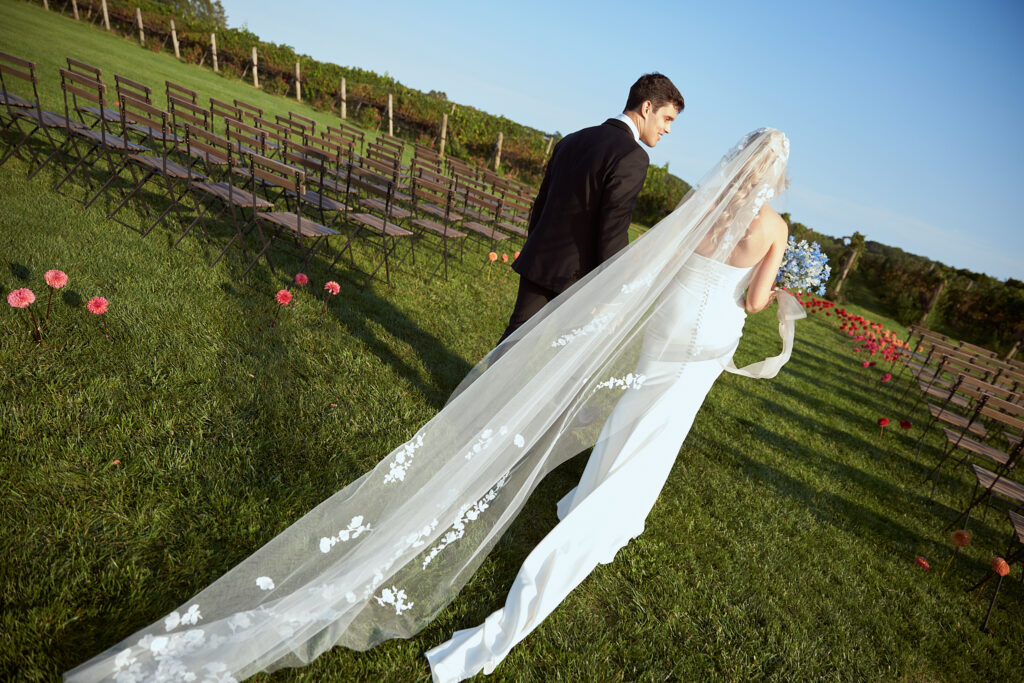
Candid photography captures unscripted reactions, movement, and human connection. Cinematic photography uses framing, light, and timing to give images a film-like feeling. Together, these styles can convey both the day’s action and the atmosphere surrounding it. A natural moment to see this combination is watching the bride walk down the aisle.
- Bride and Groom Portraits
Bride and groom portraits can be formal, relaxed, editorial, or documentary. The style depends on posture, location, light, and the amount of direction. A portrait session can feel quiet and simple or more structured and composed.
- Unique Wedding Photos
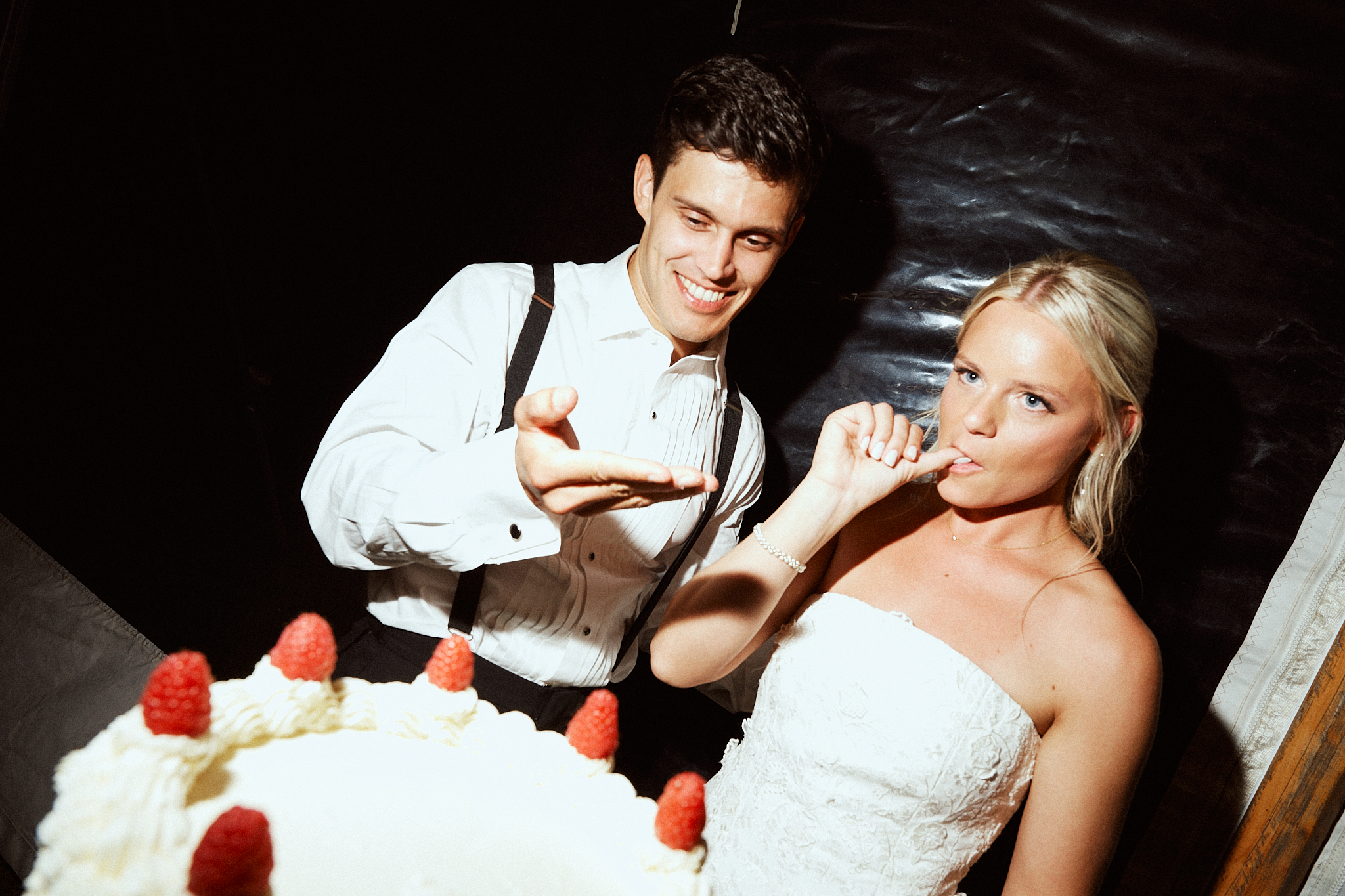
This can include documentary coverage, editorial portraits, cinematic reception images, flash photography, film-inspired imagery, and special theme requests from clients.
- Light, Movement, and Mood
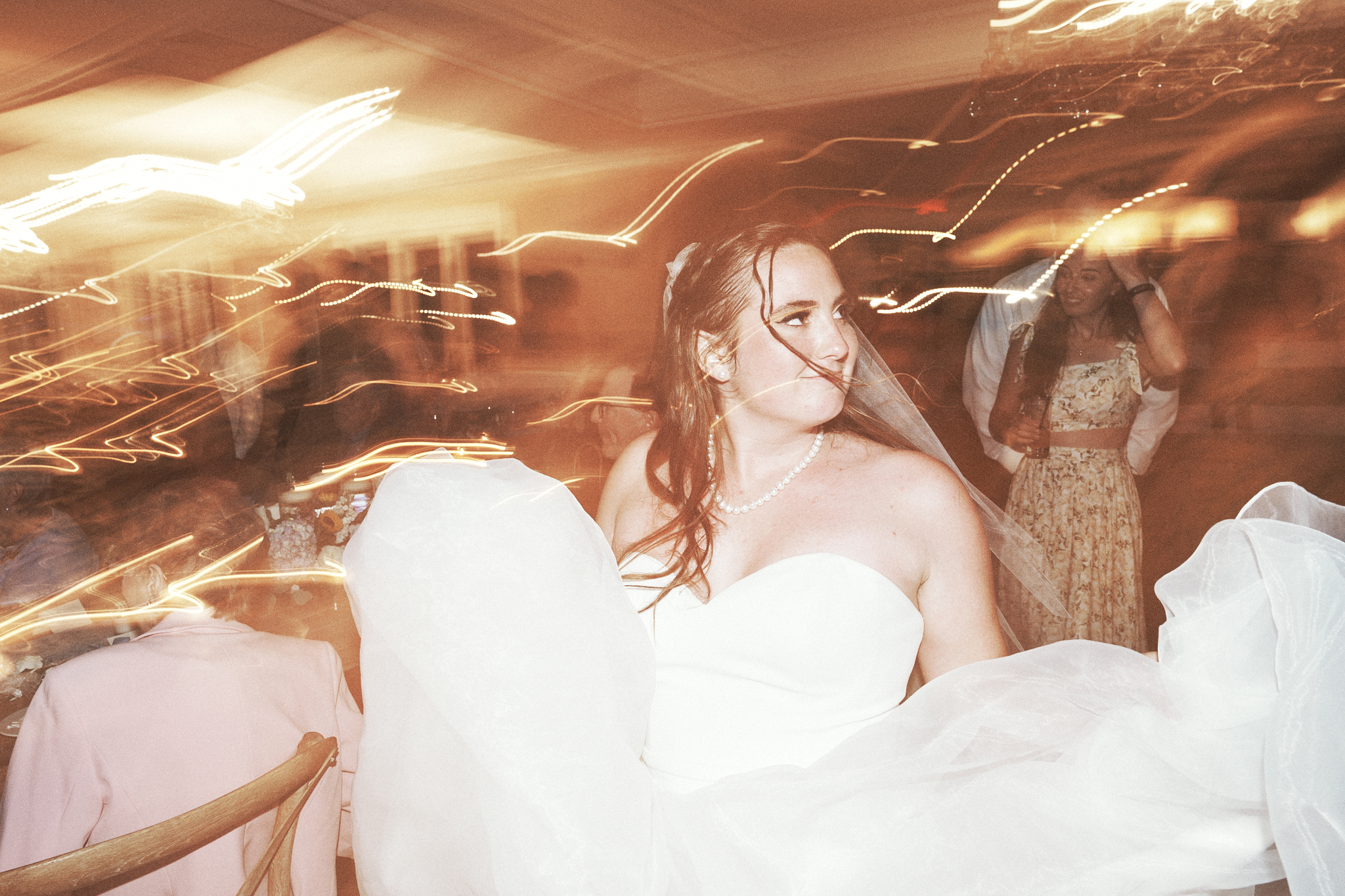
Light changes throughout a wedding day. Morning preparation may use window light, outdoor portraits may deal with harsh sun, and receptions may bring dim rooms or colored stage lighting.
Look for wide ceremony images, medium-length reception frames, close-up detail shots, low-light dance floor images, and quiet moments between people. A complete gallery shows how a photographer handles multiple types of scenes, not just the easy ones.
Photography Rules and Style Choices
Photography rules can help explain why some images feel balanced or complete. They are not fixed laws. In real events, I use them as reference points while reacting to what happens in front of me.
- The 30-5 Rule for Weddings
The 30-5 rule for wedding shots usually refers to how long tasks actually take on a wedding day. What seems like five minutes may take thirty because of clothing, travel, family coordination, and timing. This matters because photography depends on realistic planning and flexible coverage.
- The 20-60-20 Rule in Photography
The 20-60-20 rule in photography is often used to describe balance within a set of images, typically a mix of wide scenes, medium shots, and close-ups. For weddings, this helps create variety across people, places, and moments.
How to Choose Your Wedding Style
Choosing a wedding photography style starts with looking at complete galleries. A single image may look strong, but a full gallery shows how a photographer handles the whole day. Pay attention to ceremony images, portraits, reception coverage, and low-light scenes.
Review Complete Galleries
Complete galleries show consistency. They reveal how a photographer handles soft light, dark rooms, crowded spaces, and emotional moments. This gives a much clearer picture than a short portfolio selection.
Compare Posed and Candid Images
Some couples prefer directed portraits. Others want candid images with less interruption. Comparing both helps clarify whether you want more structure, more observation, or a natural blend of the two.
Match Style to Event Flow
The event schedule should guide the style. A formal ballroom wedding may call for more traditional coverage, while a small outdoor wedding may allow more documentary work. The best choice fits the pace, the space, and the people involved.
My Approach at Momento Lehr Photography
I work from a documentary and photojournalistic perspective. My background includes documentary photography, concert coverage, sports photography, and candid environments where moments move quickly. That experience supports a style built on timing, observation, and visual discipline.
Real-Time Event Coverage
In my experience at concerts and sporting events, timing often depends on reading motion before it reaches its peak. I track crowd movement, shifting light, and emotional cues simultaneously. This helps me anticipate moments like a parent’s reaction during the ceremony, a spontaneous laugh during speeches, or a brief interaction on the dance floor.
Rather than reacting after a moment happens, real-time event coverage means recognizing visual and emotional cues early enough to document them as they unfold.
Cinematic and Editorial Framing
Cinematic and editorial framing can shape how a scene feels without making it staged. I look for doorways, reflections, shadows, and background movement to create structure. In unscripted settings, my approach is to frame what is already happening rather than rebuild the moment.
Experience in Live Events
Live events rarely pause for the camera. Through my work covering concerts, sports, weddings, and community events, I have worked in environments where lighting changes quickly, crowds shift constantly, and important moments happen without warning.
That kind of experience trains you to handle blocked views, moving crowds, low light, and short windows of action while continuing to document the event honestly.
The best wedding photography style depends on the couple, the event, and the way the day unfolds. A useful starting point is real galleries, clear preferences, and an honest understanding of how each style works in practice