Best Lens for Wedding Photography: A Working Guide
The right lens depends on the event, the light, and how you work. This guide covers all three.
Choosing the best lens for wedding photography is not a one-size-fits-all decision. It depends on the venue, the light, and how I work.
Wide lenses cover tight spaces during getting-ready moments. Longer lenses create distance during ceremonies without getting in the way. This guide breaks down what works, when, and why.
My work at Momento Lehr Photography spans weddings, concerts, sports, and live events, and that range shapes how I think about gear on any given day.
The goal here is to explain how different lenses perform in real conditions, not to push a single kit. You will come away with a clear picture of focal lengths, aperture, and how lens choice connects to shooting style.
Key Takeaways
- No single lens covers a full wedding day. The best choice depends on the phase, the light, and the available space.
- Two lenses on two bodies is the most practical setup. A wide lens handles close coverage, and a longer lens covers ceremonies and portraits from a distance.
- Prime lenses let in more light and blur the background more than most zooms, making them more reliable in low-light situations where flash is not an option.
- Documentary photographers stay close and work with shorter focal lengths. Editorial photographers use longer focal lengths and take more time to set up each shot.
- Brand matters less than focal length and aperture. Tamron, Sigma, and Viltrox offer solid options at lower prices than Canon, Sony, and Nikon flagship lenses.
The Best Lens to Use for Wedding Photography
No single lens covers an entire wedding day. The best lens for any moment is the one that fits the light, the space, and what is happening right now.
Why the 35–150mm Works Across the Whole Day
The Tamron 35-150mm f/2-2.8 handles most wedding situations with a single lens. At 35mm, it covers wide group shots and room scenes. At 150mm, it frames tight shots from a distance during the ceremony.
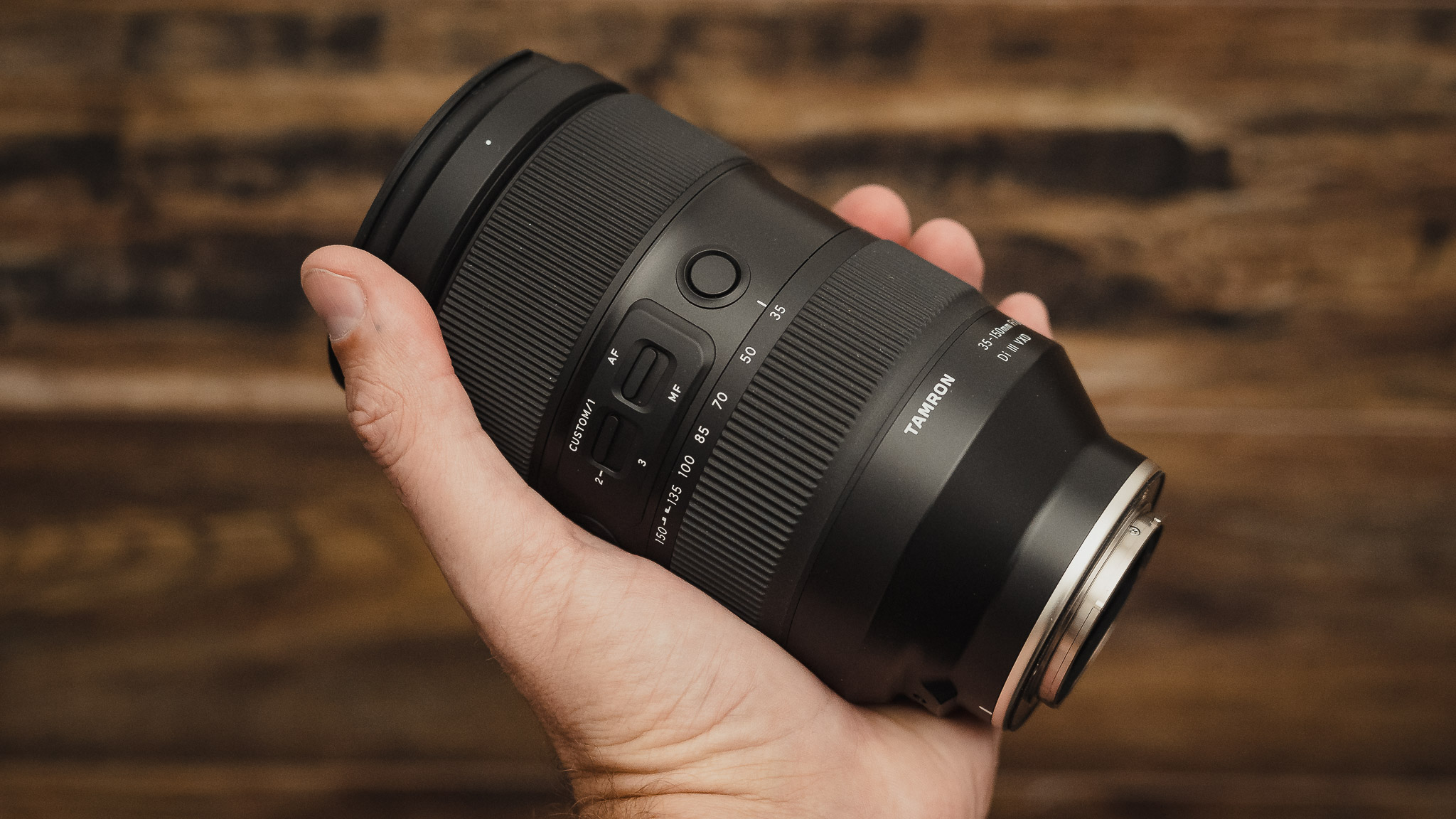
About 90% of the images I deliver fall within the 35-150mm range, making it the most practical single option I have found.
When One Lens Is Not Enough
One lens works, but it carries risk. If the gear fails and there is no backup, shots get missed.
I always bring a second body and at least one extra lens. A single-lens setup works best when the venue and lighting stay consistent throughout the day, which is rarely guaranteed.
The Best 2 Lenses for Wedding Photography
Two lenses on two bodies is the most common setup for a reason. Swapping lenses during a first dance or ceremony costs time. Two bodies mean both lenses are always ready.
Why I Work With Two Bodies
A dual-body setup keeps a wide lens on one camera and a longer lens on the other. A dual harness holds both without slowing me down. I use this setup across weddings and events, where fast, unscripted moments leave no time to change lenses.
Is 50mm or 85mm Better for Weddings?
Both work well, but differently. A 50mm lens lets me stay close to the couple, which makes it easier to communicate and move quickly. An 85mm lens creates a softer background and more distance between the subject and the setting, but it needs more physical space to use well.
My documentary instinct leans toward the 50mm. Photographers who shoot in a more posed, editorial style often prefer the 85mm.
Common Two-Lens Combinations That Work
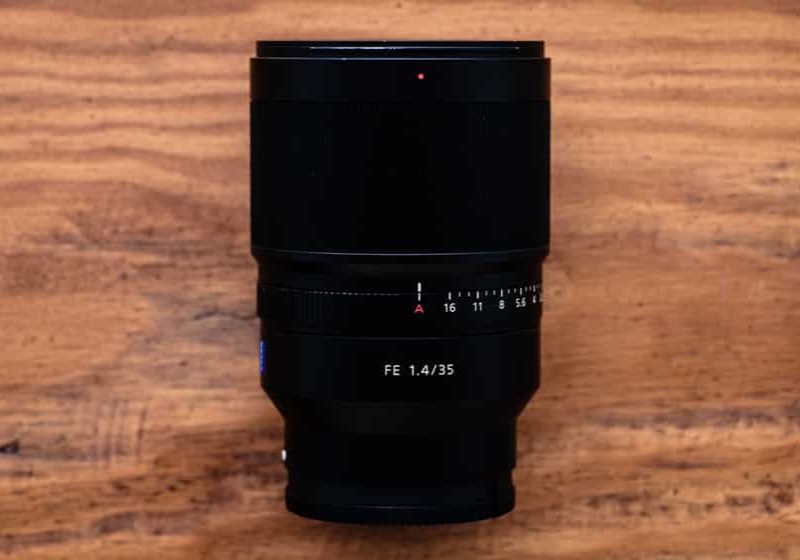
The 35mm and 85mm are the most common pairing I use. A 24mm and 50mm combination gives a wider view and works well when staying close to subjects. A zoom lens paired with a prime, like a 35-150mm and a 50mm, covers both range and low-light performance in two lenses.
Prime vs. Zoom: How to Choose
Primes and zooms each have a place in wedding photography. The right choice depends on how I work in the room, not on which is technically better.
What Primes Give You That Zooms Do Not
Prime lenses have wider maximum apertures than most zooms. A 50mm f/1.2 or 85mm f/1.4 lets in more light and blurs the background more than a zoom can at the same price.
They also handle sunlight and flare better during outdoor ceremonies. The trade-off is that I have to move to reframe rather than zoom, which suits a documentary approach well.
How Aperture Shapes the Shot
Aperture controls light and focus depth. At f/1.2 or f/1.4, I can shoot in a dark reception hall without flash and still get a sharp, clean image.
At f/2.8, the same shot requires a higher ISO or a slower shutter speed. For documentary work where flash would break the mood, a wide aperture prime is the most practical tool I carry.
When a Zoom Lens Makes More Sense
Zoom lenses work well when I cannot move a long church aisle, a raised stage, or a small room with no space to reposition.
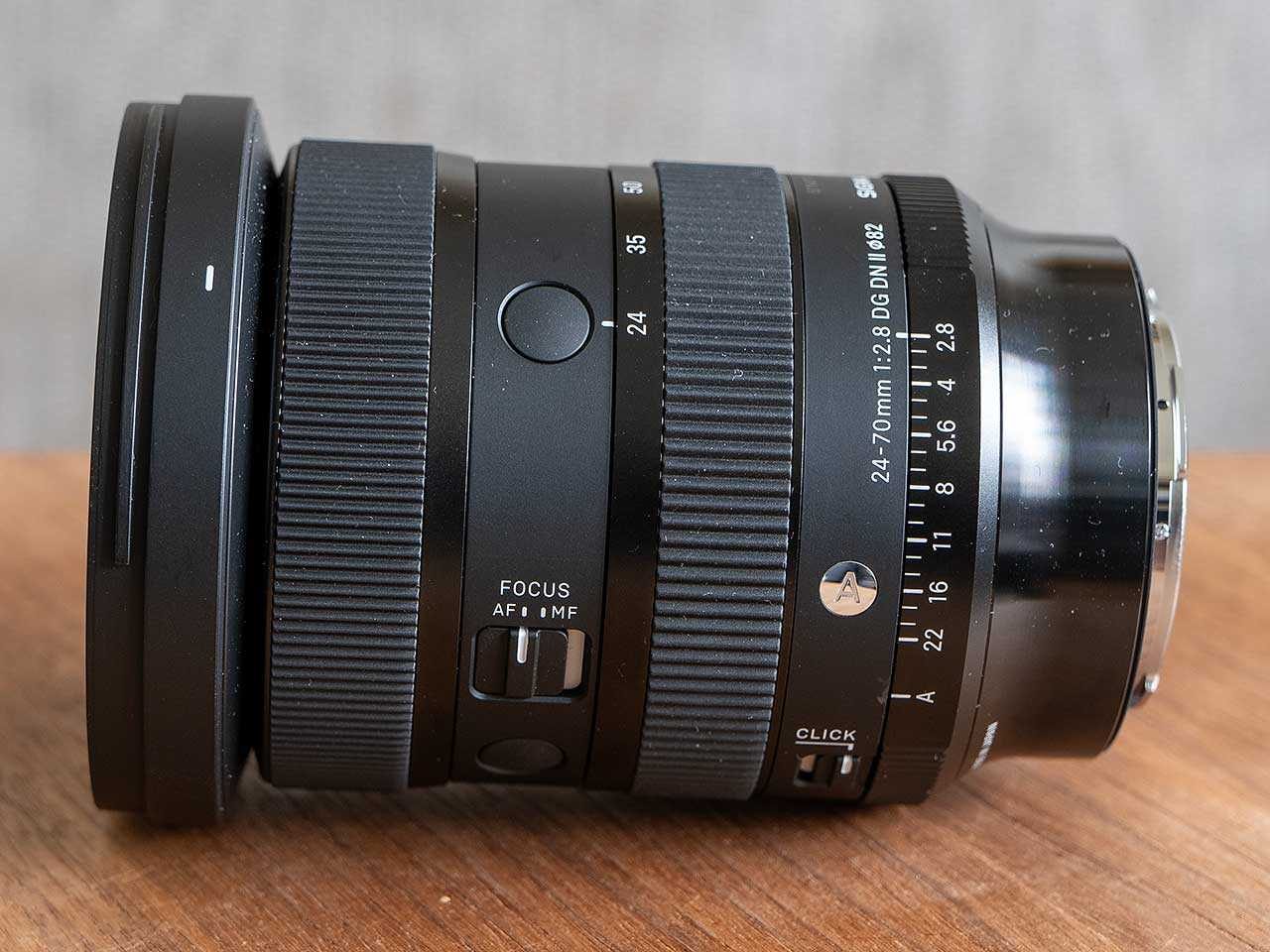
The 24-70mm f/2.8 is one of the most widely used zoom lenses in wedding photography because it covers a wide range on one body and works well as a backup.
Top Lenses for Wedding Photography by Phase
Getting Ready: Wide and Close
Getting-ready rooms are usually small. A wide-angle lens, 24mm or 35mm, captures the space, the people, and the details without needing much room to work.
These moments move fast and happen in mixed indoor light. A wide prime with a fast aperture handles that well.
Ceremony: Distance Without Disruption
Ceremonies require staying out of the way. A focal length between 85mm and 150mm lets me frame the moment from a distance without stepping in front of guests. Longer lenses also pick up reactions from family members across the room without me having to move.
Reception: Low Light and the Best Lens for Wedding Photos
Receptions are the hardest environment for light. The best lens for wedding photos at a reception is one with a wide aperture (f/1.2 to f/2) that works in low light without flash. A 35mm or 50mm prime keeps me moving freely on the dance floor.
Essential Lenses for Wedding Photography Styles
Documentary and Candid Coverage
Documentary shooting needs speed and closeness. A 24mm-50 mm focal length lets me stay in the middle of the action without standing out.
My background in concert photography and sports shapes this approach. Fewer lenses, faster movement, fewer missed. The lens that works best in this style is one that is light, fast to focus, and easy to carry all day.
Editorial and Cinematic Framing
Editorial shooting is more deliberate. A 50mm or 85mm lens at f/1.2 to f/1.8 separates the subject from the background and gives images a layered, composed look.
Longer focal lengths further compress the background. This style takes more time to set up but produces images with a clear visual intent.
Best Lenses for Wedding Photography: Canon, Sony, and Nikon
Best Lenses for Wedding Photography Canon
Canon RF-mount photographers have strong options with the RF 50mm f/1.2L and RF 85mm f/1.2L for portraits and candid work. The RF 28-70mm f/2 covers a useful zoom range at a wide aperture. The EF 35mm f/1.4L II is still widely used on DSLR systems.
Best Sony Lens for Wedding Photography
Sony’s G Master lenses are the most consistent performers for wedding work on the E mount. The 50mm f/1.2 GM and 85mm f/1.4 GM both produce sharp, clean images with strong subject separation. The Tamron 35-150mm f/2-2.8 in Sony E mount is a strong single-lens option for the way I shoot.
Best Nikon Lens for Wedding Photography
The Nikkor Z 50mm f/1.2 S and Z 85mm f/1.2 S perform well in low light on the Nikon Z mount. The Tamron 35-150mm is also available for the Z mount. On older F-mount DSLRs, the 35mm f/1.4G and 85mm f/1.4G are still widely used.
Budget Considerations Across Systems
Flagship lenses are not required. Tamron, Sigma, and Viltrox make lower-priced lenses that cover the same focal lengths and perform well in most wedding conditions. A solid starting kit does not need to be expensive to be effective.
How I Approach Lens Choice at Momento Lehr Photography
Shooting Across Event Types: Weddings, Concerts, and More
I work across weddings, concerts, sports, bar mitzvahs, and live events. Each requires fast decisions about distance and framing.
That range shapes how I think about lenses, as tools that shift with the situation rather than fixed solutions. A lens that works in a dark concert venue also works at a reception. A focal length that handles a crowd at a sports event also handles a dance floor.
Why Lens Choice Follows Approach, Not Gear
The lens serves the moment. Understanding focal lengths, aperture, and working distance lets me adapt to almost any venue or light condition.
That is the view I work from at Momento Lehr Photography. The gear matters less than knowing what is happening in the room and getting into position before the moment passes.