
Editorial wedding photography is a style that draws from fashion and magazine imagery, combining intentional composition with authentic storytelling.
It sits between fine art photography and documentary coverage – more directed than photojournalism, but less staged than traditional posed work.
A photographer working in this style makes deliberate decisions about light, framing, and timing while staying responsive to what unfolds naturally.
Understanding editorial wedding photography helps couples identify the approach that best fits how they want their day documented.
Key Takeaways
- Editorial wedding photography is more intentional than photojournalism but less staged than traditional posed work.
- The style applies throughout the wedding day, with each coverage zone presenting distinct lighting and timing challenges.
- Light, framing, and positioning are deliberate choices, but moments themselves remain unscripted.
- Reviewing full wedding galleries, not highlight selections, is the most reliable way to evaluate an editorial photographer.
- When photo and video teams share a mood board beforehand, the coverage across both mediums stays visually consistent.
Editorial Wedding Photography Meaning
Where the Term Comes From
The word editorial comes from print media. In magazines, editorial photography refers to images that accompany a story – images made to communicate something specific rather than simply document a scene.
Applied to weddings, the term carries the same idea: images that are composed and sequenced to tell a coherent visual story.
Editorial photography is not about heavy production or artificial staging. It is about photographing with intention, using light, placement, and timing to give each frame a clear visual purpose.
Editorial Wedding Photography Style vs. Documentary and Fine Art
These three styles are often confused, but they operate differently.
Fine art wedding photography tends toward soft light, romantic tones, and highly controlled compositions – often shot on film, with careful attention to aesthetic consistency.
Documentary photography, sometimes called photojournalism, involves minimal direction. The photographer observes and reacts, prioritizing unscripted moments over visual polish.
Editorial style wedding photography sits between these two.
It incorporates the visual awareness of fine art and the responsiveness of documentary work, but adds a layer of intentional framing and light management that distinguishes it from purely candid coverage.
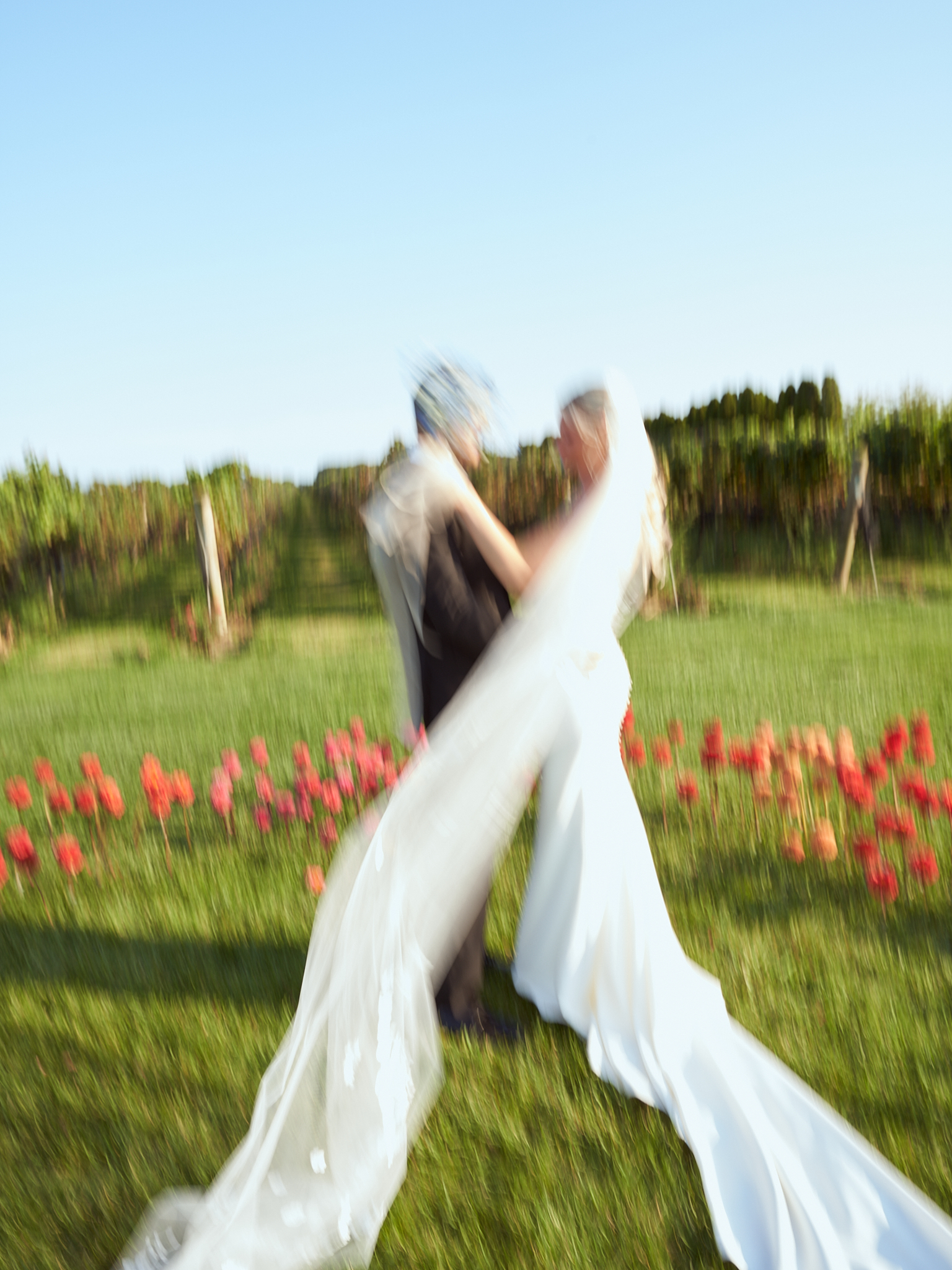
What Makes Editorial Style Photos Feel Different
Composition, Light, and Intentional Direction
Editorial style photos have a specific visual quality that comes from how the photographer reads a scene.
Composition is deliberate. A photographer working in this style considers the background, the available light, and the geometry of the space before making an image.
Light is not just accepted as it is. It is assessed and used: a window, a doorway, or open shade can all serve as tools for shaping a frame.
Direction in editorial work is minimal but present. I might suggest where someone stands or how they move, but I do not script expressions or manufacture moments.
The goal is to create conditions where something real can happen within a thoughtful frame.
Editorial Wedding Photography Examples: Moments Worth Noticing
In practice, editorial-style photos include a range of moments across the day. A bride adjusting her dress near a window before the ceremony.
A quiet exchange between partners during the first dance. A wide shot of the reception room that communicates scale and atmosphere without anyone performing for the camera.
These are not posed moments, but they are not accidental either. An editorial wedding photographer is positioned, ready, and continuously reading the room.
The difference between a documentary image and an editorial one often comes down to framing: the same moment, seen with more visual intention.
Editorial Wedding Photography Ideas by Coverage Area
Getting Ready, Ceremony, and Portraits
The getting-ready period offers some of the strongest editorial opportunities of the day.
Light in hotel rooms and suites is often soft and directional, and the activity of people moving, adjusting, and talking creates natural movement within the frame.
During the ceremony, the editorial approach means working quietly and staying out of sight while watching for expressions, gestures, and environmental details that provide context for the sequence.
Portrait time is where light management becomes most deliberate.
I look for locations that provide clean backgrounds and good light, then give minimal direction – enough to settle the couple into a natural position, not enough to make the images feel constructed.
Reception, Details, and Candid Moments
The reception presents a different set of challenges. Lighting is usually mixed and artificial, crowds move unpredictably, and the energy shifts constantly.
An editorial shoot in this context means staying mobile, reading the room, and anticipating where the next real moment will occur.
Detailed coverage table settings, flowers, and objects significant to the couple are handled with the same compositional discipline as portrait work.
Each detailed image should communicate something about the day, not just document that the object was present.
You may also be interested in: Candid Wedding Photography: How Real Moments Get Captured
How the 30-5 Rule Shapes Coverage and Timing
The 30-5 rule is a practical guideline used by many wedding photographers: arrive 30 minutes before each major event of the day, and allow a 5-minute buffer between transitions.
For editorial coverage, timing matters as much as technique. The best light and the most unguarded moments tend to happen in the minutes before and after a scheduled event.
Being in position early is not just logistical – it is part of how editorial work functions. Anticipation and preparation are what allow a photographer to respond when something worth capturing happens.
Editorial Wedding Photography and Videography
How the Two Media Work Together
When both an editorial wedding photographer and a videographer are present, coordination matters. Both are working toward a visual record of the same day, and the approaches can either complement or interfere with each other.
Sharing a mood board before the wedding is a practical way to align on visual priorities: lighting preferences, key moments, and how each person plans to move through the space.
I have worked alongside videographers at weddings across a range of venues and formats. When both teams understand the editorial approach, the coverage becomes more cohesive without either medium compromising the other.
Is Editorial Style Wedding Photography Right for You?
Couples and Weddings That Suit This Style
Editorial wedding photography works well for couples who want their images to feel considered without feeling staged.
It suits weddings where the environment plays a role in the story, venues with strong light, interesting architecture, or a distinct atmosphere.
It also works across different types of photography contexts: intimate elopements, large receptions, and destination weddings all respond well to an editorial approach because the style adapts to what is available rather than requiring a controlled set.
How to Find and Evaluate an Editorial Wedding Photographer
When reviewing photographers, look at full wedding galleries rather than highlight selections. A consistent editorial approach shows up throughout the day, not just in a few standout frames.
Pay attention to how light is handled in lower-quality conditions – reception rooms, overcast outdoor settings, crowded spaces.
These are where the difference between styles becomes most visible. Questions worth asking include how the photographer manages timing, how they approach direction, and what their process looks like during unscripted moments.

My Approach to Editorial Wedding Coverage
My background is in documentary photography, concert coverage, sports, and “street photography,” all environments where conditions change quickly and the photographer has to make decisions in real time.
I bring that same orientation to weddings. I work in an observational mode for most of the day, positioning myself to read the room and respond to what happens.
Where light or composition requires it, I give brief, functional direction. I am not building scenes.
I am looking for the frames that already exist within the day and making sure I am ready when they appear. Editorial work, for me, is less about a visual formula and more about a consistent way of paying attention.